
Toll-Free Contact: 877-333-1456 | Toll-Free Admissions: 647-716-1293

Toll-Free: 877-333-1456
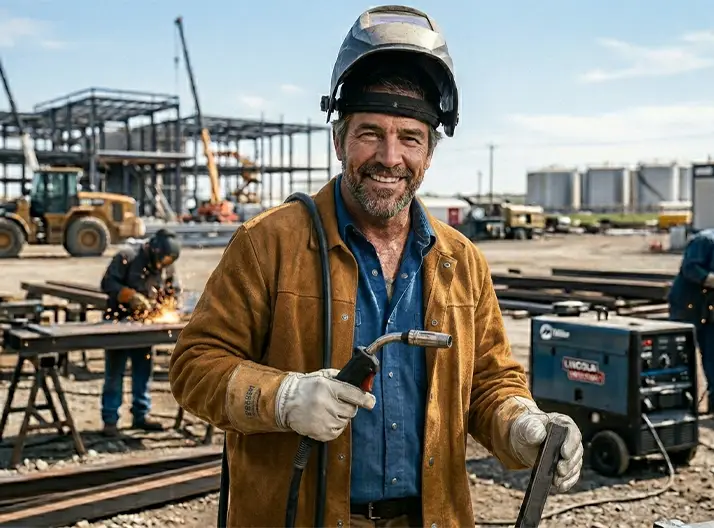
A common question from students is simple: is welding age restricted?
The answer depends on what the person means. There may be age rules for employment, school programs, apprenticeships, insurance, or workplace safety requirements. But as a career skill, welding is not limited to only one age group.
Young learners can explore welding through school, pre apprenticeship, and training pathways. Mature students can also enter welding later in life as a career change, second skill, or practical trade pathway. In both cases, age matters less than safety awareness, physical readiness, patience, and willingness to learn.
Welding is not defined by age. It is defined by safety, skill, and discipline.
Why People Ask About Age in Welding
Many students ask about age because welding can look physically demanding from the outside. It involves heat, sparks, tools, protective gear, machines, metal preparation, and focused hand control. For someone who has never worked in a shop or trades environment, it is normal to wonder whether they are too young, too old, or too inexperienced to begin.
The better question is not only “Am I the right age?” The better question is “Am I prepared to learn safely and practice consistently?”
Welding training should introduce students to safety, PPE, equipment, machine setup, welding positions, joint preparation, and weld quality step by step. A beginner does not need to know everything before starting. They need the right training environment, proper guidance, and a serious attitude toward safety.
Can Young Students Learn Welding?
Yes, young students can begin learning about welding, but the pathway depends on their age, province, school system, and program rules. In Canada, youth apprenticeship programs can help high school students explore skilled trades while continuing their education. For example, Ontario’s skilled trades information explains that the Ontario Youth Apprenticeship Program gives high school students exposure to skilled trades and the opportunity to train as apprentices while completing their Ontario Secondary School Diploma.
This does not mean every young person can simply walk into every welding environment and start working. Welding has safety requirements, workplace rules, and supervision expectations. Younger learners need proper instruction, appropriate PPE, and controlled training environments.
For young students, welding can be a strong option if they enjoy hands on learning, building things, technical work, and visible progress.
Can Mature Students Start Welding Later in Life?
Yes. Many people start welding later in life. Some come from construction, manufacturing, trucking, warehousing, automotive work, farming, maintenance, or general labour. Others come from completely different backgrounds and want a more practical, skill based career.
Mature students often bring strengths that help in welding training. They may have better patience, stronger work habits, better safety awareness, or more experience working around tools and jobsite expectations. Even if they are new to welding, those habits can help them learn.
The main consideration is physical readiness. Welding can involve standing, bending, positioning, lifting, grinding, and wearing protective gear. A mature student does not need to be an athlete, but they should be realistic about their comfort level, mobility, stamina, and ability to work safely.
Age Matters Less Than Safety Awareness
Safety is one of the most important parts of welding. Whether a student is 18, 28, 45, or 60, the expectations are serious. Welding involves heat, ultraviolet radiation, fumes, sparks, electricity, tools, and fire risk.
The Canadian Centre for Occupational Health and Safety explains that welding hazards can include respiratory irritation, metal fume fever, skin and eye exposure, burns, flying particles, cuts, and other risks. This is why welding training must take PPE, ventilation, safe work habits, and hazard awareness seriously. A student who listens carefully, follows instructions, wears the correct PPE, respects the equipment, and asks questions when unsure is often better prepared than someone who is physically strong but careless.
What Makes Someone Ready to Learn Welding?
A person may be ready to learn welding if they are willing to practice, follow safety instructions, and improve through feedback.
Some helpful qualities include:
- Patience with repetition and mistakes
- Comfort learning with tools and equipment
- Respect for safety procedures and PPE
- Ability to focus for long periods
- Interest in building, repairing, or fabricating
- Willingness to improve hand control and technique
- Ability to accept feedback and correct mistakes
Welding is not only about strength. It is about control, observation, discipline, and consistency.
Is Welding Physically Hard?
Welding can be physically demanding, but the level depends on the type of work. Shop welding, production welding, field welding, structural welding, repair work, and custom fabrication can all feel different.
Some roles may involve heavier materials, awkward positions, outdoor conditions, or longer hours. Other roles may focus more on bench work, controlled shop environments, precision welding, or fabrication. This is why students should understand that welding is not one single job. It is a broad trade with different work environments.
New and mature students should be honest about what type of welding work fits their body, goals, and comfort level. Training can help students discover which welding processes and work environments feel more suitable.
Which Welding Process Should Beginners Start With?
Many beginners start with MIG welding because it is often easier to understand at the entry level. MIG uses a wire feed system and is common in fabrication, manufacturing, automotive work, and general repair.
Stick welding is also valuable because it is widely used in field work, structural welding, repair, and outdoor conditions. TIG welding usually requires more hand coordination and patience, especially for cleaner and more precise welds. FCAW is important for structural and industrial work where productivity and weld deposit rates matter. The right starting point depends on the student’s goal, comfort level, and career direction. A good training provider should help students understand the difference between welding processes before choosing a path.
Welding as a Career Change
For mature students, welding can be attractive because it offers a skill based career path. Some people want to move away from office work. Others want a more practical career. Some want to add welding to an existing background in construction, trucking, equipment repair, or fabrication.
In Canada, welding connects to industries such as construction, manufacturing, repair, infrastructure, transportation, fabrication, and industrial maintenance. Job Bank wage data lists Canadian welders as earning between $22.00 and $47.00 per hour, with a national median of $30.00 per hour for the 2023 to 2024 reference period. Wages vary by province, experience, process, employer, and industry.
Training does not guarantee employment, but it can help students build practical skill, confidence, and a stronger foundation for future opportunities.
How TopWeld Supports New and Mature Students
At TopWeld, students can build hands on welding skills through process focused training and practical learning. Training is available across Brampton, Surrey, and Edmonton, giving students access to welding education in Ontario, British Columbia, and Alberta.
TopWeld helps students understand welding processes such as MIG, TIG, Stick, and FCAW while building confidence in a professional training environment. For students with experience qualification preparation can help them practice with more focus before testing.
Whether a student is starting young, returning to training, changing careers, or adding a new skill, the goal is the same: build safe, practical, and confident welding ability.
Final Thought
Welding is not limited to one age group. Young students can explore it. Mature students can start it. Career changers can consider it. Workers from other industries can add it to their skill set.
Age may affect the starting point, but it does not define the outcome.
What matters most is safety, discipline, patience, physical readiness, and a willingness to learn through practice.
Looking to enter the welding industry?
Let’s get started.
Looking to enter the welding industry? Let’s get started.

Important Information for Candidates
- Welders are qualified, not certified
- Welder qualification testing is practical only; there are no written or theoretical exams
This information aims to ensure transparency and help candidates clearly understand the scope of welder qualification testing.